A dental retainer holds your teeth in place after braces or Invisalign — without it, teeth shift back within weeks.
You will need to wear a dental retainer for the rest of your life if you want your teeth to stay straight.
At Aubrey Barrett Orthodontics, the retention phase is where we see patients make or break their results. Most people underestimate how important it is. Here’s everything you need to know.
Your child just finished braces or Invisalign — congratulations!
This is a huge milestone, and you should be so proud of the commitment they put in. But now that their teeth are beautifully aligned, there’s an important next step to make sure their new smile stays exactly where it should.
That step is wearing a dental retainer.
At Aubrey Barrett Orthodontics, we spend a lot of time educating families in El Cerrito and Pittsburg about how retainers work, why they matter, and what to do if something goes wrong.
This guide will walk you through everything you need to know to protect your child’s smile long-term.
| Topic | What Parents Should Know |
| What it does | Holds teeth in place after braces or Invisalign |
| Types | Clear removable retainers & fixed wire retainers |
| Wear schedule | Nightly for the first year, then several nights/week |
| Cleaning | Rinse, brush gently, avoid heat, use cleaning tablets |
| Lost retainer | Call office ASAP for a replacement |
| Broken retainer | Bring it in; usually needs to be remade |
| Tight retainer | Means shifting — wear nightly or schedule a visit |
| Long-term | Retainers are a lifelong habit to keep smiles straight |
What Is a Dental Retainer and Why Is It So Important?
A dental retainer is a small device designed to hold the teeth in their corrected positions after braces or Invisalign treatment. It may seem simple, but it plays a major role in keeping that beautiful new smile stable.
Here’s why retainers matter so much:
- Teeth naturally try to shift back to their old positions
- Bones and ligaments around the teeth need time to stabilize
- Growth and natural changes can affect tooth alignment
- Consistent wear prevents “relapse” (teeth moving out of alignment)
Think of a dental retainer as the “insurance policy” for your child’s orthodontic result. Braces and Invisalign do the heavy lifting — retainers keep everything exactly where it belongs.
Types of Retainers: Hawley, Essix, and Fixed
Not all retainers work the same way — and orthodontic retention has evolved significantly over the past two decades. At Aubrey Barrett Orthodontics, we use Essix and fixed retainers exclusively. Here’s why, and what each one does.
1. Hawley Retainer: The Traditional Option (And Why We’ve Moved On)
A Hawley retainer is the retainer most people picture from older orthodontic treatment: a thin acrylic plate that sits against the roof of your mouth, held in place by a metal wire that runs across the front of your teeth. Hawley retainers were the standard for decades — and they do work. They’re durable, adjustable, and long-lasting.
The problem is that research and clinical experience have consistently shown that Hawley retainers allow more tooth movement than modern alternatives, particularly in the early months after treatment when your results are most vulnerable to shifting. The wire also leaves the front teeth partially uncovered, which means less support right where you need it most. Most modern orthodontic practices, including ours, have moved away from Hawley retainers in favor of options that hold teeth more precisely and comfortably. We mention them here because patients often ask about them — but you won’t be leaving our office with one.
2. Essix Retainer
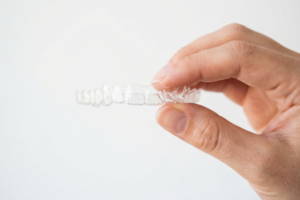
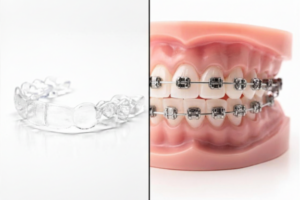
An Essix retainer is a clear, form-fitting plastic tray that covers all of your teeth — if you’ve worn Invisalign, it looks almost identical to your last aligner. At Aubrey Barrett Orthodontics, this is our standard removable retainer for most patients. Essix retainers hold every tooth in position, are virtually invisible when worn, and are comfortable enough that patients actually wear them consistently — which is the whole point.
They’re easy to pop in and out, simple to clean, and the fit is precise because they’re made directly from a digital scan of your finished smile. The main consideration: clear plastic retainers can crack or warp over time, so they’ll need to be replaced every few years. Store yours in its case and keep it away from heat, and they’ll last longer than most patients expect.
3. Fixed (Bonded) Retainer
A fixed retainer — also called a bonded or permanent retainer — is a thin wire that Dr. Barrett bonds directly to the back of your lower front teeth. Because it stays in place around the clock, there’s no risk of forgetting to wear it. Fixed retainers are ideal for the lower arch, where teeth are the most prone to shifting after treatment.
The main consideration is cleaning: you’ll need to floss around the wire daily using a floss threader or a water flosser. Many patients at our El Cerrito and Pittsburg offices leave with both — a fixed retainer on the lower arch and an Essix retainer for the upper — which gives you passive 24/7 protection on the bottom and a clear removable option on top.
How Often Should My Child Wear Their Dental Retainer?
Every orthodontist says this slightly differently, but here’s our general guideline:
For the first year:
Wear the removable dental retainer every night.
After that:
Transition to several nights per week (unless told otherwise).
Long term:
Retainer wear is a lifelong habit — teeth can shift even years later.
The biggest thing parents should know?
💬 If your teen doesn’t wear their dental retainer consistently, their teeth will start to shift.
Wearing it at night is simple, easy, and the best way to maintain long-term results.
How to Clean and Care for a Dental Retainer
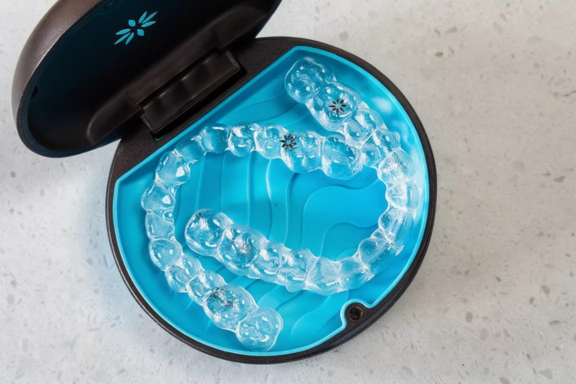
Keeping a dental retainer clean is easy, but it needs to be done correctly to prevent bacteria buildup, odors, or warping.
Here’s what we recommend:
✔ Rinse every time it’s removed
Prevents buildup and keeps it fresh.
✔ Brush gently with a soft toothbrush
No toothpaste — it’s too abrasive and can scratch the plastic.
✔ Use retainer cleaning tablets weekly
They help remove deeper buildup and keep it clear.
✔ Store in a case whenever it’s not being worn
Most lost retainers disappear into napkins or pockets — cases prevent that!
✔ Keep away from heat
Hot water, dashboards, dishwashers, and washing machines can warp retainers instantly.
A clean retainer keeps the smile clean too — and it lasts much longer.
What If My Child’s Dental Retainer Is Lost, Broken, or Doesn’t Fit?
Life happens — especially with kids and teens.
Here’s exactly what to do depending on the situation.
1. The Retainer Is Lost
This is the most common issue. If your child loses their dental retainer:
- Call either our El Cerrito or Pittsburg office right away
- We will schedule a quick appointment to make a replacement
- If it’s been more than a few days, shifting may have started — don’t wait
The faster we replace it, the better.
2. The Retainer Is Cracked or Broken
Usually this happens from:
- Dropping it
- A pet chewing it
- Biting it too hard
- Heat exposure
Broken retainers don’t hold teeth effectively.
Call us and bring in the pieces — sometimes we can repair it, but usually we remake it to ensure a perfect fit.
3. The Retainer Suddenly Feels Tight
This is a sign your child hasn’t been wearing it consistently.
If the dental retainer still goes on fully, even if it feels tight:
- Have your teen wear it every night until it feels normal again
- Tightness means teeth have already begun shifting — but this can still be corrected early
If it doesn’t fit at all:
- Call us immediately
- Waiting too long can cause permanent shifting
- We’ll take a scan and determine the best way to realign and stabilize things
Dental Retainer Safety Tips for Parents
A few simple habits help prevent most retainer problems:
- Always store in a case — never in a napkin
- Never wrap it in paper towels
- Avoid leaving it near pets
- Keep it out of hot cars
- Clean it daily
- Replace the case every few months to avoid bacteria buildup
You’d be shocked how many retainers get eaten by dogs — they love the smell!
How Long Will My Child Need Their Dental Retainer?
This is the question every parent asks, and here’s the honest, simple answer:
✨ Retainers are for life — but only at night.
Wearing a dental retainer at night is an easy, comfortable, low-effort habit.
Your teen keeps their smile.
You protect your investment.
Everyone wins.
Retainer Support at Aubrey Barrett Orthodontics
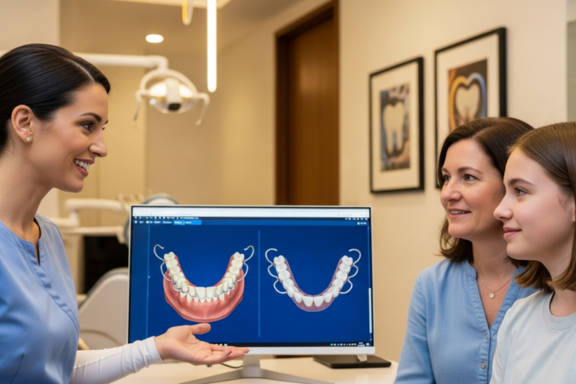
Our team is here for every stage of your child’s smile journey — including the “after braces” part. We want your child’s results to last a lifetime, which is why we take retainer wear seriously and support families with:
- Clear instructions
- Easy-to-follow routines
- Quick appointments for lost/broken retainers
- Affordable replacement options
- Friendly team members who help teens stay accountable
Whether you’re in El Cerrito or Pittsburg, we make it easy to protect your child’s smile long-term.
Have Questions About Dental Retainers? Book a Free Consultation.
If you want guidance on retainers, or your child needs a new one, we’d love to help. Your free consultation includes:
✨ Digital scan
✨ Photos
✨ Retainer evaluation
✨ Replacement plan if needed
✨ Friendly, stress-free guidance from Dr. Barrett
A beautiful smile deserves lifelong protection — and we’re here to make that easy.
Frequently Asked Questions About Retainers
Q: How long do you have to wear a retainer after braces?
For the first 12 months, wear your retainer every night. After that, most patients can shift to a few nights per week — though many orthodontists, including our team at Aubrey Barrett Orthodontics, recommend nightly wear for life to protect your results.
Q: What happens if you stop wearing your retainer?
Teeth shift. Even teeth that were perfectly straight for years will begin moving back toward their original positions without consistent retainer wear. The drift is gradual at first, then accelerates.
Q: How do I clean a retainer?
Rinse with cool water every time you take it out. Brush it gently with a soft toothbrush (no toothpaste — it scratches clear retainers). Once a week, soak it in retainer cleaning tablets for a deeper clean.
Q: What should I do if my retainer breaks or doesn’t fit?
Call your orthodontist immediately. A retainer that no longer fits means your teeth have already shifted — the longer you wait, the more movement occurs. At Aubrey Barrett Orthodontics, we handle retainer replacements at both our El Cerrito and Pittsburg offices.
Q: Do I need a retainer after Invisalign?
Yes. Invisalign patients need retainers just as much as braces patients. The treatment moves your teeth — retention is what keeps them there.