
Types of Braces
Types of Braces: Find the Perfect Braces for Your Smile
Personalized Treatment
At Aubrey Barrett Orthodontics, we understand that every smile is unique—and so is every treatment plan. Thanks to today’s advanced technology, you have more options than ever when it comes to straightening your teeth.
Whether you’re looking for traditional braces, a more discreet option, or a completely invisible solution, we’ll help you find the perfect fit for your lifestyle and smile goals.

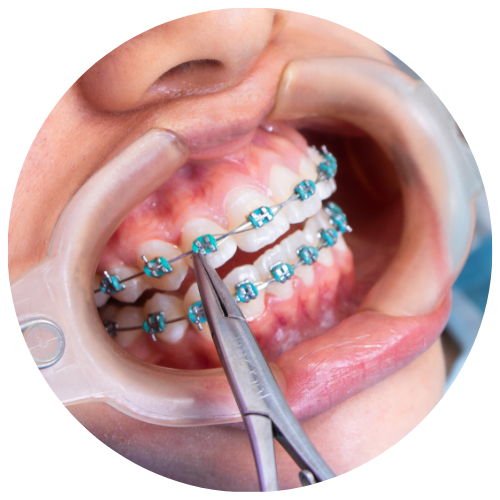
Metal Braces
Metal braces are the most common type of orthodontic treatment and have come a long way over the years. They remain a popular choice for patients of all ages due to their durability and efficiency. Made from high-grade stainless steel, today’s metal braces are:
Smaller and More Comfortable:
Modern brackets are more compact and less noticeable than ever before.
Highly Effective:
Metal braces are great for treating a wide range of orthodontic issues, from simple to complex.
Customizable:
Add a fun pop of color with customizable elastic bands to make your braces uniquely yours!
See what you can expect during treatment.
Ceramic Braces
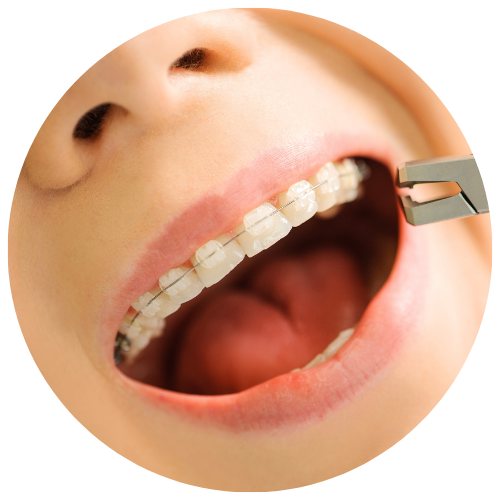
For those looking for a more discreet option, ceramic braces offer the same effectiveness as metal braces but with a cosmetic advantage. Keep in mind that ceramic braces can be slightly more fragile and may require extra care to prevent staining of the elastic ties.
Clear or Tooth-Colored Brackets:
Blend in with your natural teeth for a more subtle look.
Ideal for Adults and Teens:
Perfect for patients who want effective treatment without the noticeable appearance of metal braces.
Just as Powerful:
Ceramic braces work just as efficiently as metal braces to correct alignment and bite issues.
Invisalign® Clear Aligners
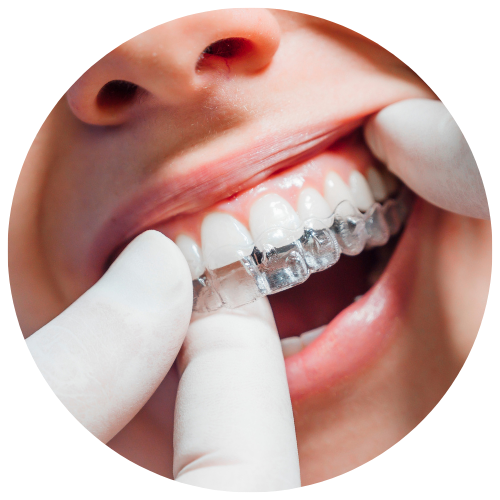
Looking for a virtually invisible way to straighten your teeth? Invisalign clear aligners offer a flexible, discreet alternative to traditional braces. Invisalign is a great option for both teens and adults with mild to moderate orthodontic issues:
Nearly Invisible:
Clear, removable aligners that are hardly noticeable.
Removable for Eating & Cleaning:
Enjoy all your favorite foods and maintain easy oral hygiene.
Comfortable and Custom-Fit:
Smooth plastic aligners are custom-made for a perfect fit and gentle tooth movement.
Which Type of Braces is Right for You?
Choosing the right type of braces depends on your unique orthodontic needs, lifestyle, and personal preferences. During your FREE consultation, Dr. Barrett will evaluate your teeth and recommend the best treatment option for your smile goals.
No matter which type of braces you choose, you can trust that you’ll receive personalized, expert care every step of the way.
Not sure which appliance is right for you? See our full Invisalign vs. braces comparison, it explains what to expect.
Schedule Your Free Consultation Today!
Ready to find the perfect braces for your smile? Schedule a consultation at our El Cerrito or Pittsburg, CA offices today and take the first step toward a confident, beautiful smile.
Frequently Asked Questions
About Braces
What should I expect the first week with braces?
Some pressure and soreness for the first two to three days — that’s normal. Your mouth is adjusting to the brackets and wires, and the soreness fades as your teeth settle in. Most patients feel back to normal by day four or five. Here’s a full breakdown of what to expect your first week with braces.
What foods should I avoid with braces?
Sticky, hard, and crunchy foods cause the most damage. Popcorn, hard candy, gummy bears, caramel, and ice are the main ones to avoid — they can pop brackets off or bend wires. Soft foods like pasta, yogurt, eggs, and soft fruits are always safe. See the complete list of foods to avoid with braces.
How do I take care of braces at home?
Brush after every meal with a soft toothbrush, and floss daily using a floss threader or water flosser. Avoid whitening toothpaste and anything abrasive. Good habits in the first week become second nature quickly. Our complete guide to taking care of braces at home covers technique, tools, and what to watch for between appointments.
Can I play sports with braces?
Yes — with the right mouthguard. A braces-compatible mouthguard protects both your brackets and your mouth during contact sports. Standard boil-and-bite mouthguards can damage brackets and should be avoided. Here’s everything you need to know about braces and sports.
What are rubber bands for, and do I have to wear them?
Rubber bands — also called orthodontic elastics — connect your upper and lower braces to correct your bite. Braces straighten individual teeth; rubber bands align how your upper and lower jaws come together. If Dr. Barrett prescribes them, consistent wear is one of the most important things you can do to stay on schedule. Learn more about how rubber bands for braces work.
What are the biggest myths about braces?
A few come up in almost every consultation. Braces don’t set off metal detectors. They won’t lock together when kissing. And modern braces are far more comfortable than the metal mouths from a decade ago. We break down the most common braces myths — including some that still surprise patients.