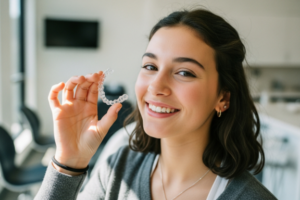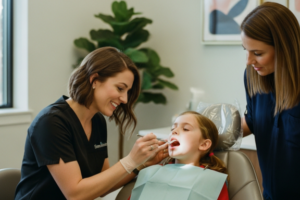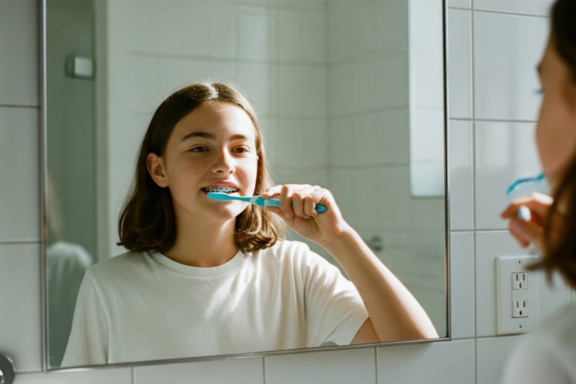
Braces don’t live in the orthodontic office — they live at home, at school, at sports practice, and everywhere your child goes.
And while we handle the technical side of orthodontic care, what happens at home plays a huge role in how smoothly treatment goes.
The good news? You can take care of braces at home without it being complicated or stressful.
With a few simple habits and a little consistency, most kids do great — and parents feel much more confident.
At Aubrey Barrett Orthodontics, we love empowering families in El Cerrito and Pittsburg with practical, realistic guidance. Here’s everything parents should know to help braces stay on track.
| Care Area | What Parents Should Know |
| Brushing | Brush at least twice daily, carefully around brackets |
| Flossing | Use floss threaders or water flossers once daily |
| Food choices | Avoid hard, sticky, and crunchy foods |
| Orthodontic wax | Use to prevent irritation from brackets or wires |
| Sports | Always wear a braces-safe mouthguard |
| Broken braces | Call early to prevent treatment delays |
| Appointments | Keep visits consistent for smooth progress |
| Big picture | Good home care = faster, easier treatment |
1. Brushing Well Is Non-Negotiable
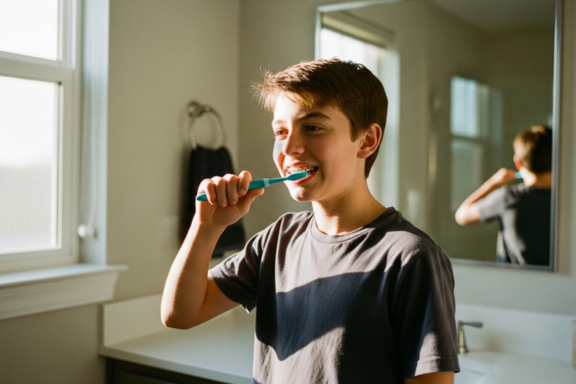
Braces create extra places for food and plaque to hide, so brushing is more important than ever.
What to aim for:
- Brush at least twice a day (after meals when possible)
- Use a soft-bristled toothbrush
- Angle the brush around brackets and wires
- Take your time — rushing leads to missed spots
It may feel awkward at first, but kids adjust quickly. Many families find electric toothbrushes especially helpful.
2. Don’t Skip Flossing (Even Though It’s Tricky)
Flossing with braces takes a little more effort — but it’s worth it.
Helpful tools include:
- Floss threaders
- Orthodontic floss
- Water flossers
Flossing helps prevent:
- Cavities
- Gum inflammation
- White spots on teeth after braces come off
Encourage flossing once a day, ideally before bedtime.
3. Be Smart About Food Choices

Food is one of the biggest reasons braces break — and broken braces can slow treatment.
Foods to avoid:
- Hard foods (nuts, ice, hard candy)
- Sticky foods (gum, caramels, taffy)
- Crunchy foods (popcorn, chips)
- Biting into hard items (apples, carrots — cut them instead)
Foods that are braces-friendly:
- Soft fruits
- Pasta
- Rice
- Yogurt
- Eggs
- Smoothies
- Soft meats
A little awareness goes a long way.
4. Keep Orthodontic Wax Handy
Orthodontic wax is a lifesaver — especially in the early weeks or after adjustments.
Use wax when:
- A bracket feels irritating
- A wire rubs the cheek
- The mouth feels sore
Wax creates a smooth barrier and helps the mouth heal quickly.
Pro tip: Keep wax in backpacks, sports bags, and bathrooms.
5. Protect Braces During Sports
Braces and sports absolutely go together — but protection matters.
Parents should:
- Make sure kids wear a braces-safe mouthguard
- Avoid boil-and-bite mouthguards that mold around brackets
- Keep a mouthguard in the sports bag
This protects both the braces and the lips and cheeks.
6. Watch for Small Issues Before They Become Big Ones
Most braces issues are minor — but addressing them early keeps treatment on track.
Keep an eye out for:
- Loose brackets
- Poking wires
- Soreness that doesn’t improve
- Changes in how braces feel
If something feels off, call us. Quick fixes are common and easy.
7. Encourage Responsibility (Without Nagging)
Kids who take ownership of their braces tend to do better.
Helpful ways to encourage responsibility:
- Let them track brushing
- Praise consistency
- Celebrate progress
- Frame braces as teamwork
Avoid turning braces into a daily power struggle — calm reminders work better than pressure.
8. Stay Consistent With Appointments
Regular orthodontic visits keep everything moving as planned.
Skipping or delaying appointments can:
- Slow treatment
- Increase discomfort later
- Lead to unnecessary complications
Consistency makes treatment smoother and often shorter.
9. Know What’s Normal — and What’s Not
It’s normal for kids to experience:
- Mild soreness after adjustments
- Temporary irritation
- Tightness
Call us if you notice:
- Severe or worsening pain
- Swelling
- Signs of infection
- Broken appliances causing discomfort
We’re always happy to help — that’s what we’re here for.
10. Remember: This Is Temporary (The Results Are Worth It)
Braces are a season — not forever. With good care at home, that season goes by quickly and leads to lifelong benefits.
Parents often tell us:
“I wish we had worried less — this has been easier than we expected.”
And that’s exactly how it should feel.
Why Families Trust Aubrey Barrett Orthodontics
At Aubrey Barrett Orthodontics, we believe great results come from great teamwork — between our office and families at home.
Parents appreciate:
- Clear instructions
- Friendly guidance
- No judgment — just support
- Quick help when needed
- A calm, encouraging environment
We’re here to support your child’s smile — every step of the way.
Questions About Braces Care? We’re Always Here.
If your child has braces — or will soon — and you want guidance, reassurance, or help, we’re just a call away.
Schedule a free consultation or reach out to our El Cerrito or Pittsburg office.
With the right care at home and the right orthodontic team, braces can be a positive, confidence-building experience for your whole family.