
Sleep & Airway
Sleep & Airway Health: Orthodontics & Breathing Better
The Connection Between Orthodontics and Sleep Health
Your smile isn’t just about aesthetics—it’s closely linked to your overall health, including how well you breathe while sleeping.
At Aubrey Barrett Orthodontics, we specialize in identifying and addressing structural issues that can contribute to sleep-disordered breathing, such as sleep apnea.
While orthodontic treatment alone isn’t always the solution, we play a vital role in a comprehensive care plan that improves your sleep and quality of life.

What is Sleep Apnea?
Sleep apnea is a condition where breathing repeatedly stops and starts during sleep, leading to poor oxygen intake and interrupted rest.
The most common type, obstructive sleep apnea (OSA), occurs when the airway becomes blocked—often due to the tongue, tonsils, or jaw position—causing loud snoring, gasping, and frequent waking throughout the night.
Left untreated, sleep apnea can lead to serious health problems, including:
- High blood pressure
- Heart disease
- Diabetes
- Chronic fatigue and daytime sleepiness
- Cognitive issues like memory loss and difficulty concentrating
Common Signs of Sleep Apnea and Airway Issues
Sleep apnea and airway problems often go undiagnosed because many people aren’t aware of the symptoms. Common signs include:
- Loud, chronic snoring
- Gasping or choking sounds during sleep
- Morning headaches
- Waking up feeling tired despite a full night’s sleep
- Difficulty concentrating during the day
- Irritability or mood swings
- Dry mouth or sore throat upon waking
- Bed-wetting in children or ADHD-like symptoms
If you or your child experience any of these symptoms, it’s important to seek a professional evaluation.

How Orthodontics Can Help with Sleep and Airway Issues
Orthodontic treatment can play a key role in managing sleep and airway disorders by addressing structural issues that contribute to airway obstruction. At Aubrey Barrett Orthodontics, we offer solutions that can help improve airflow and reduce sleep-related breathing problems:

Palatal Expanders
Widening the upper jaw can increase airway space, especially in children, improving breathing and reducing snoring.
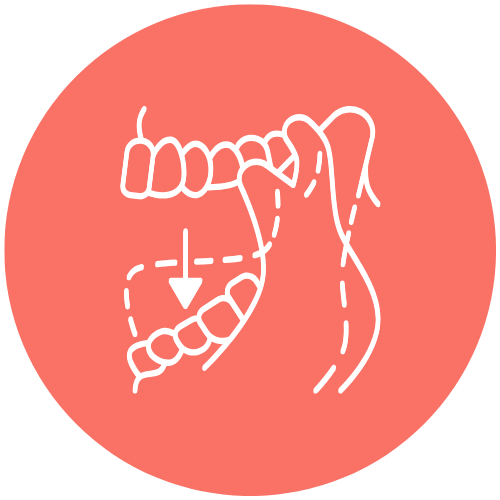
Jaw Alignment
Correcting bite issues and jaw positioning can alleviate pressure on the airway.

Orthodontic Appliances:
Custom-made devices can help reposition the jaw or tongue to prevent airway obstruction during sleep.
The Importance of a Multi-Specialty Approach
Orthodontics alone is rarely the complete solution for sleep apnea. Sleep and airway disorders are complex and require a collaborative approach for effective treatment. At Aubrey Barrett Orthodontics, we partner with:
- Sleep Specialists for proper diagnosis and treatment recommendations, including sleep studies.
- ENT Doctors to address issues like enlarged tonsils, adenoids, or nasal obstructions.
- Myofunctional Therapists to improve tongue posture and oral muscle function.
- Dentists and Physicians to monitor overall health and coordinate care.
This team-based approach ensures that every aspect of your condition is addressed for the best possible outcome.

Benefits of Addressing Sleep and Airway Issues
Treating sleep apnea and airway problems can have a profound impact on your overall health and well-being. For children, addressing airway issues early can improve behavior, academic performance, and overall development resulting from:
Better Sleep Quality:
Wake up feeling refreshed and energized.
Improved Focus and Memory:
Enhanced cognitive function and productivity.
Reduced Health Risks:
Lower risk of heart disease, high blood pressure, and other serious conditions.
Enhanced Mood and Mental Health:
Less irritability, anxiety, and depression.
Increased Energy:
Say goodbye to daytime fatigue and enjoy a more active lifestyle.
Schedule Your Sleep and Airway Evaluation Today!
If you suspect sleep apnea or airway issues are affecting you or your child, don’t wait. Schedule a consultation at our El Cerrito or Pittsburg, CA offices. Dr. Barrett and our team will work with you to identify the root cause of your symptoms and develop a personalized treatment plan as part of a comprehensive care team.